

Give Us A Call!
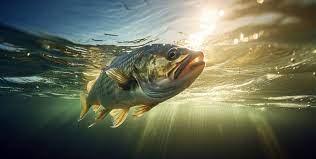
What fish should I put in my pond? Whether it's a compact water garden or a sprawling backyard habitat, finding the right fish matters. Discover the best species suited to your pond's size and local climate here, and get ready to enjoy a healthy, thriving pond environment.
Looking for the logistics of actually stocking — timing, ratios, sourcing, and acclimating new fish? See our complete stocking guide. This article focuses on species selection by pond size and climate instead.
Select fish based on pond size, local climate, and species compatibility to ensure a healthy ecosystem and prevent overcrowding or aggressive behavior.
For smaller ponds, opt for species like goldfish, rosy red minnows, or mosquito fish that won't grow too large, and ensure you're not overfeeding to maintain water quality.
Larger ponds can accommodate bigger, more varied species like koi, bass, sunfish, and sturgeon, but require careful management of predator-prey relationships and possibly more advanced maintenance.
Nothing beats the joy of watching fish dart around in your backyard pond! However, before you start populating your pond with your favorite species, some key considerations need to be taken into account to create a healthy habitat for your aquatic inhabitants. The size and depth of your pond are critical, especially in winter when deeper sections prevent complete freezing, enhancing the survival chances of cold-hardy fish. But building out your pond's features isn't as simple as just digging a hole and filling it with water - upkeeping water quality, particularly during the colder months, is vital for the wellbeing of your fish. Complete pond packages are sometimes the easiest route to take.
The local climate plays a significant role too. It determines which fish species can withstand seasonal temperature fluctuations and severity of winters. Understanding the interrelationship between pond size, depth, water quality, and local climate will guide you in determining which fish species are best suited for your pond environment. Wondering how to pick the perfect species for your pond? Let's begin by considering options for smaller water bodies!

Not all of us have acres of space to build expansive ponds, but size needn't limit your aspirations for a lively fish pond. Small ponds can be a cozy haven for a variety of the best pond fish, including goldfish, mosquito fish, and different goldfish varieties like Shubunkin, Comets, Orandas, and Tamasaba. But when it comes to small ponds, there are a few more things to consider.
One of the first things to consider when selecting fish for a small pond is their size. We need to make sure that the fish we select won't grow too large for their environment, potentially causing upheaval in the pond's ecosystem. A great species to consider for small ponds is the Rosy Red Minnow. They naturally stay small and can flourish in a range of water temperatures, making them a versatile choice.
But what if you also have a larger pond? Well, the good news is that Rosy Red Minnows can be included there too as companion fish. They contribute to the biodiversity without increasing space demands, proving that size does indeed matter.
Fish are not just pretty creatures to admire; they also have personalities! Some species may not play well with others, leading to territorial disputes and aggressive interactions. It's necessary to select fish that can live together harmoniously, contributing to a tranquil underwater community.
For instance, introducing a non-native predator species can lead to a disruption in the food pyramid, causing stress or loss of various species in the pond. An example is the Yellow Perch, which can outcompete other desirable fish in farm ponds due to their prolific breeding, complicating ecosystem management.
Caring for fish isn't just about feeding them; it's also about creating a conducive environment for them to thrive. Feeding a balanced diet that's right for the species is key to maintaining fish health and supporting good water quality. It's important to avoid overfeeding, which can lead to a decline in the water's condition. For more detail on feeding, see our guide on what pond fish actually eat.
Besides providing balanced meals, periodically cleaning your pond is also important. A natural pond environment with plants might require occasional muck cleaning, which can be done efficiently with a pond vacuum.
Now, let's explore the exciting possibilities of larger fish ponds.
Maintaining proper aeration in ponds is crucial for the health and well-being of fish populations. Aeration ensures that the water contains an adequate supply of dissolved oxygen, which is essential for fish respiration and overall aquatic ecosystem balance.
One of the primary reasons why aeration is important for fish is oxygenation. Like all living organisms, fish require oxygen to survive. In a pond, oxygen levels can fluctuate due to various factors such as temperature, organic matter decomposition, and the presence of algae. Without sufficient oxygen, fish can become stressed, leading to decreased growth rates, weakened immune systems, and increased susceptibility to diseases. In extreme cases, oxygen depletion can result in fish kills, where large numbers of fish die due to suffocation.
Aeration helps to replenish oxygen levels in the water by promoting gas exchange at the surface and throughout the water column. Surface aerators create agitation and movement at the water's surface, allowing oxygen from the air to dissolve into the water. Subsurface aerators, on the other hand, create bubbles that rise to the surface, carrying oxygen with them as they ascend. By increasing oxygenation, aerators ensure that fish have access to the oxygen they need to thrive.
Furthermore, aeration plays a crucial role in maintaining water quality. Oxygen-rich water supports the growth of beneficial bacteria that help break down organic waste and reduce the buildup of harmful compounds such as ammonia and nitrites. By improving water quality, aeration creates a healthier environment for fish, reducing the risk of stress and disease.
See our full aerator selection if you're setting up a new pond or your current system needs an upgrade.

Larger ponds open up a new world of possibilities. More room means more options, including larger fish species. Some recommended fish species for larger backyard ponds are:
Koi
Catfish
Sunfish
Bass
But what sets these species apart? Let's discover. For channel catfish specifically, see our dedicated catfish feeding and management guide.
Koi fish are the rock stars of the aquatic world. They're large, vibrant, and command attention. Their need for larger ponds with more space and deeper water makes them perfect for expansive pond environments. Their varied colors and patterns make them a classic and beautiful choice for large ponds.
However, Koi's appeal is not just skin-deep. They're also known for their longevity, with some living up to 20 years or more in optimal conditions. Who wouldn't want a pet that's also a long-term companion? If you're setting up a dedicated koi pond, see our koi pond kits.
If you're a fan of fishing, then Largemouth Bass may be the perfect addition to your pond. Known for their aggressive nature, they help control populations of smaller fish, making them a win-win addition. They're not just good for the ecosystem; they're also popular for sport fishing.
Bluegill are another excellent choice, adding to the pond dynamic with their favorable environmental preferences. Whether it's for sport or ecosystem balance, these species bring both utility and leisure to your pond.
For those wanting to make a bold statement with their pond, consider adding a gentle giant, like a Sturgeon. These can live for decades, making them a significant long-term addition to any pond. However, their maintenance can be more demanding as they need particular temperature and oxygen conditions to thrive.
Another notable species is the Northern Pike. These top predators prefer cooler waters and abundant vegetation, and like Sturgeon, they require careful consideration of predator-prey relationships due to their potential impact on the ecosystem.

If your local climate leans towards the cooler side, don't worry! Several fish species thrive in cooler, oxygen-rich waters and can overwinter in a real outdoor pond. Some popular choices for cold water ponds include:
Rainbow Trout
Brook Trout
Brown Trout
These fish are resilient and compatible with other species in the right conditions, making them a great choice for your cold water pond.
Comet Goldfish also have the resilience to endure cooler weather. They thrive in small garden ponds with sufficient depth to prevent complete freezing during winter. Other cold-hardy species include:
Smallmouth Bass
Koi
Shubunkin Goldfish
All of these species can add life to your pond even in the chilliest of seasons.
You'll see species like Guppies, Mollies, Platies, Swordtails, and Plecos on a lot of "pond fish" lists. Here's the honest version: these are tropical aquarium fish that need water consistently above roughly 65-70°F year-round. In an outdoor pond anywhere that sees a real winter, they will not survive the season — they're only a realistic option for a fully indoor water feature, or a climate that stays warm year-round. For a full breakdown of which "algae eater" and warm-water species are genuinely outdoor-viable versus aquarium-only, see our guide on algae-eating fish species, which covers this distinction in detail.
While exploring exotic species for your pond can be fascinating, it's equally crucial to value the role native fish play in sustaining a healthy aquatic ecosystem. They interact with a wide range of species, including other fish, amphibians, reptiles, birds, mammals, and plants.
Introducing or removing species from an aquatic ecosystem can cause unexpected and often irreversible damage to the ecological balance. Therefore, it's important to be aware of how your choices could potentially affect the ecosystem. Fish sometimes show up in a pond on their own, too — see our guide on how fish end up in ponds nobody stocked if you're wondering whether that's what happened in yours.

There's no denying the visual appeal of a pond filled with beautiful, vibrant fish. Koi, with their varied colors and patterns, and Comet Goldfish, with their bright coloration and active swimming behavior, can significantly enhance the aesthetic value of ornamental ponds.
But to uphold a healthy and aesthetically pleasing pond, it's necessary to have a strong filtration system and regularly introduce beneficial bacteria. See our beneficial bacteria collection for options.
If you're looking to make a statement with your pond, consider adding some unique fish species. Sunfish, for instance, are colorful and can grow up to 16 inches, making them a striking addition. Channel catfish can also be an interesting choice — see our guide above for feeding specifics.
Stonerollers and Darters can add a lively presence to your pond with their colorful appearance and activity, especially when paired with minnows. However, while these unique species can make your pond more distinctive, they need to be compatible with the existing species and the overall ecosystem of the pond.
From understanding the key considerations for stocking a pond to exploring different species suitable for various environments and climates, there's a fish out there for every kind of pond. For the actual stocking process — timing, ratios, sourcing, and acclimation — see our complete stocking guide.
No, Koi fish need larger ponds with more space and deeper water to thrive due to their size and longevity. Smaller ponds may not be suitable for them.
It is possible to mix different species of fish in the same pond, but it's important to ensure they can coexist peacefully and avoid territorial or aggressive interactions. Always monitor their behavior to ensure their safety.
Rainbow Trout, Comet Goldfish, Koi, and Smallmouth Bass can all thrive in cooler, oxygen-rich outdoor ponds through a real winter.
Not through a real winter in most of the US. These are tropical aquarium fish that need consistently warm water and will not survive typical seasonal temperature drops outdoors. They're only viable in a fully indoor water feature or a climate that stays warm year-round.
Consider adding unique fish like Sunfish, Stonerollers, and Darters to your pond to make it stand out. Just ensure their compatibility with other species and the impact on the ecosystem is taken into account.