


The four-legged Becker Windmill Pond Aerator stands stronger, aerates harder, and runs forever on nothing but wind.
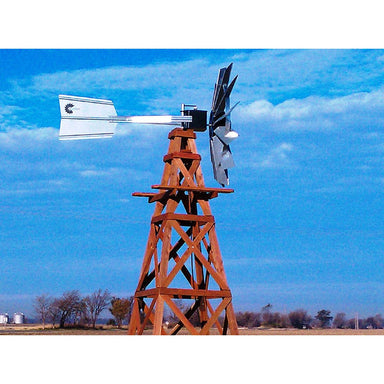
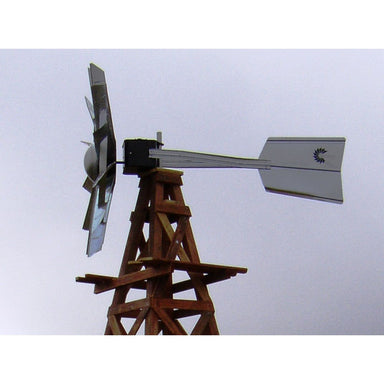
Engineered for property owners who want real pond performance without sacrificing landscape aesthetics, this system delivers both.

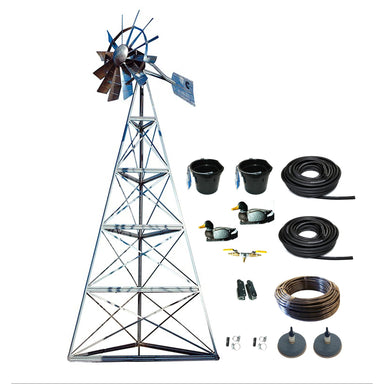
Need to get aeration to a remote pond? Windmill aeration is your answer! Affordable and effective.
Looking for reliable, electricity-free aeration? Our collection of windmill pond aerators provides an efficient, eco-friendly solution for maintaining healthy ponds without running power lines.
Wind powered pond aerators use natural wind energy to pump air into your pond, increasing oxygen levels and improving circulation — all without monthly electrical costs. They’re ideal for remote properties, farm ponds, acreage ponds, and locations where traditional electric aeration isn’t practical.
If you want dependable aeration with zero operating cost, windmill pond aerators are one of the smartest long-term investments you can make.
Why Choose Windmill Pond Aerators?
Windmill pond aerators offer several advantages over electric systems, especially for rural and off-grid properties.
Benefits include:
-
No electricity required
-
Zero monthly operating costs
-
Ideal for remote or hard-to-reach ponds
-
Environmentally friendly operation
-
Long lifespan with minimal maintenance
-
Quiet, continuous aeration when wind is present
Unlike surface fountains that primarily move top water, wind powered aerators typically use bottom-diffused systems to circulate water from the deepest point of your pond upward.
How does a windmill pond aerator work?
Windmill aerators use wind power to drive a compressor, which pushes air through a diffuser in the pond. This creates circulation without the need for electricity, making them a practical option for remote ponds.
They are most effective in open areas with consistent wind and are often used on farms and rural properties.
This process:
-
Breaks up thermal stratification
-
Increases dissolved oxygen
-
Reduces sludge buildup
-
Improves water clarity
-
Supports healthier fish populations
The result is natural, balanced pond aeration powered entirely by wind.
Are Windmill Pond Aerators Effective?
Yes — windmill pond aerators can be highly effective when properly sized for your pond. They are especially well-suited for:
-
Ponds 1 acre and larger
-
Remote agricultural properties
-
Livestock ponds
-
Wildlife ponds
-
Locations without electrical access
While they depend on wind availability, many pond owners find them to be extremely reliable in open, rural environments.
If you have consistent wind exposure, a windmill pond aerator can perform comparably to electric bottom-diffused systems — without the power bill.
When to Choose a Windmill Pond Aerator
A windmill system may be right for you if:
-
Running electrical service to your pond is too expensive
-
You want to avoid monthly operating costs
-
Your pond is located in a rural or windy area
-
You prefer a sustainable aeration solution
-
You want long-term, low-maintenance performance
If your property experiences limited wind, you may also consider combining wind and solar aeration for more consistent airflow.
Windmill Pond Aerator Applications
Wind powered pond aerators are commonly installed in:
-
Farm and ranch ponds
-
Large residential acreage ponds
-
Hunting properties
-
Wildlife habitats
-
Remote lakes
-
Livestock watering ponds
They’re especially popular among landowners who want reliable aeration without the complexity of electric systems.
Choosing the Right Windmill Pond Aerator
To select the correct system, consider:
-
Pond surface area
-
Average depth
-
Wind exposure
-
Desired aeration coverage
-
Diffuser configuration
Proper sizing ensures efficient oxygen transfer and optimal water circulation.
If you're unsure which windmill pond aerator fits your needs, our team can help you determine the right solution.
Learn more about how these systems work in our guide to windmill pond aerators.
Shop Windmill Pond Aerators Above
Browse our full selection of windmill pond aerators and find the right off-grid aeration system for your pond.
Need assistance? Contact our pond specialists for expert guidance and sizing recommendations.
Frequently Asked Questions About Windmill Pond Aerators
1. Do windmill pond aerators really work?
Yes. Windmill pond aerators use wind energy to power a compressor that pumps oxygen to the bottom of your pond. When properly sized and installed in areas with consistent wind, they effectively improve oxygen levels and circulation.
2. How much wind is needed for a wind powered pond aerator?
Most windmill pond aerators begin operating in light to moderate wind conditions. Performance increases with stronger, steady wind. Open, rural properties typically provide the best results.
3. Are windmill pond aerators better than electric aerators?
It depends on your property. Windmill pond aerators are ideal for off-grid ponds and locations where running electricity is expensive. Electric aerators provide more consistent airflow but require power access.
4. Can a windmill pond aerator run continuously?
A wind powered pond aerator runs whenever there is wind. While it may not operate 24/7 in calm conditions, many rural properties experience enough wind for effective daily aeration.
5. How large of a pond can a windmill pond aerator handle?
Windmill pond aerators are commonly used on ponds 1 acre and larger. Proper sizing depends on surface area, depth, and desired aeration coverage.
6. Do windmill pond aerators help reduce algae?
Yes. By increasing dissolved oxygen and improving water circulation, windmill pond aerators can help reduce conditions that promote excessive algae growth.
7. Are wind powered pond aerators difficult to maintain?
No. Windmill pond aerators are generally low maintenance. Routine inspections and occasional lubrication or diaphragm replacement keep the system operating efficiently.
8. How long do windmill pond aerators last?
High-quality windmill pond aerators can last many years with proper maintenance. Tower construction and compressor components are designed for long-term outdoor use.
9. Can I install a windmill pond aerator myself?
Many landowners install windmill pond aerators themselves, especially on flat, open properties. However, professional installation is recommended if you are unsure about tower anchoring or diffuser placement.
10. What is the advantage of windmill pond aerators over solar aerators?
Windmill pond aerators often produce stronger airflow in consistently windy areas and do not rely on battery storage. Solar systems may provide more consistent operation in low-wind regions with strong sun exposure.


